White Hat vs. Black Hat Link Building: What’s the Difference?

When it comes to improving your website’s SEO, backlinks play a crucial role in boosting your search engine rankings. However, not all backlinking practices are equal. Link building can be done in a variety of ways, but the methods you choose can significantly impact your website’s long-term success. The two main types of link building are White Hat and Black Hat, each with its own approach and consequences.
In this post, we’ll break down the difference between White Hat and Black Hat link building, helping you choose the right strategy for sustainable SEO growth.
What is White Hat Link Building?
White Hat Link Building refers to ethical, Google-approved techniques used to acquire backlinks. These methods comply with search engine guidelines and focus on creating high-quality content that naturally attracts links. White Hat link building is a long-term, sustainable approach that prioritizes creating value for users and maintaining a strong online reputation.
Characteristics of White Hat Link Building:
- Natural Links: White Hat strategies aim to earn backlinks organically through high-quality content, outreach, and building relationships.
- Focus on Relevance: Links are acquired from relevant, authoritative websites within the same niche or industry.
- Quality over Quantity: White Hat link builders focus on acquiring fewer, but high-quality backlinks from trusted websites.
- Adherence to Google Guidelines: White Hat techniques comply with Google’s webmaster guidelines, avoiding any practices that could lead to penalties.
Common White Hat Link Building Strategies:
- Guest Blogging: Writing guest posts for reputable websites in your industry and including a link back to your site.
- Content Marketing: Creating shareable, valuable content (infographics, guides, case studies) that naturally attracts backlinks.
- Outreach: Reaching out to relevant bloggers, journalists, and industry experts to build relationships and earn backlinks.
- Broken Link Building: Identifying broken links on other websites and offering your own content as a replacement.
- Skyscraper Technique: Finding popular content in your niche and creating even better, more comprehensive content to earn backlinks.
What is Black Hat Link Building?
Black Hat Link Building refers to unethical, manipulative techniques used to acquire backlinks, often with the goal of bypassing search engine algorithms to gain quick rankings. These methods violate search engine guidelines and can result in severe penalties, including de-indexing from Google. While Black Hat strategies may offer short-term gains, they pose significant risks to your website’s long-term SEO success.
Characteristics of Black Hat Link Building:
- Manipulative Practices: Black Hat strategies attempt to manipulate search engine algorithms, often at the expense of user experience or content quality.
- Unnatural Links: Black Hat techniques often involve acquiring backlinks in ways that don’t seem natural to search engines or users.
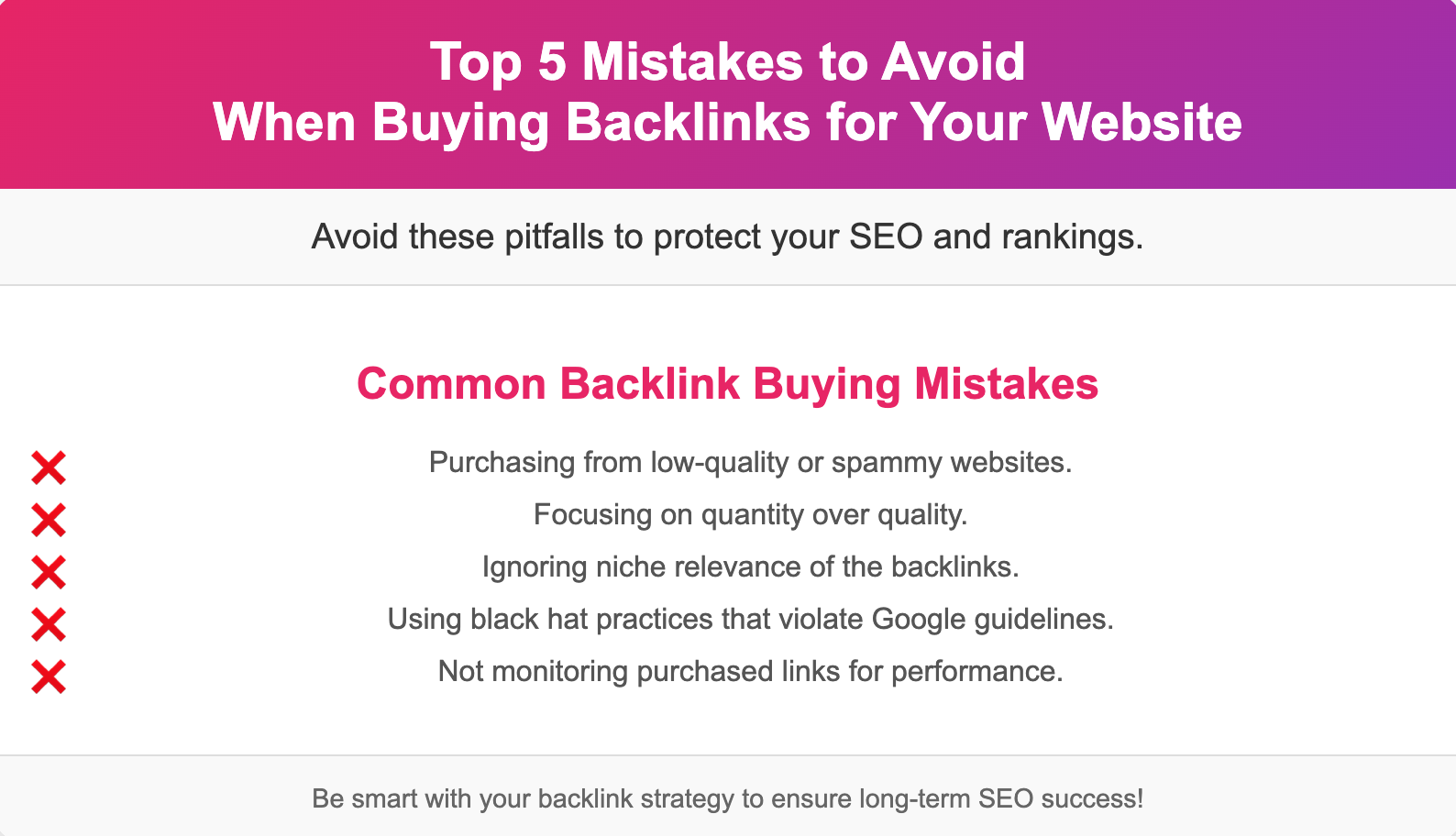
- Focus on Quantity: Black Hat link builders prioritize the number of backlinks over their quality or relevance, often resulting in low-quality, spammy links.
- Violates Google’s Guidelines: Black Hat tactics intentionally break Google’s guidelines, which can lead to penalties or even being banned from search results.
Common Black Hat Link Building Strategies:
- Buying Backlinks: Paying for backlinks from low-quality, irrelevant, or spammy websites in an attempt to boost rankings quickly.
- Link Farms: Participating in link farms or private blog networks (PBNs), where websites are artificially linked together to increase backlink profiles.
- Keyword Stuffing: Using excessive, exact-match keywords in anchor text to manipulate rankings, which can be detected as spammy by Google.
- Comment Spam: Posting irrelevant or spammy comments with backlinks in blog comment sections to acquire backlinks.
- Cloaking: Showing different content to search engines and users, often to manipulate rankings or hide the true purpose of a webpage.
Key Differences Between White Hat and Black Hat Link Building
1. Ethical Approach vs. Unethical Manipulation
- White Hat link building focuses on building high-quality, relevant backlinks through ethical means, providing value to users and adhering to search engine guidelines.
- Black Hat link building relies on unethical practices designed to manipulate search engine algorithms and artificially inflate rankings, often at the expense of quality.
2. Long-Term vs. Short-Term Results
- White Hat strategies take longer to show results, but they build a strong, sustainable backlink profile that improves your rankings over time and protects you from penalties.
- Black Hat strategies may produce quick results, but the risks involved (penalties, de-indexing) can cause significant damage to your rankings in the long run.
3. Compliance with Google Guidelines
- White Hat link building follows Google’s Webmaster Guidelines and is focused on enhancing the user experience and content quality.
- Black Hat link building deliberately ignores or violates Google’s guidelines, which could result in penalties and harm to your site’s reputation.
4. Quality vs. Quantity
- White Hat link builders emphasize the quality of backlinks over their quantity, seeking relevant and authoritative sites within their niche.
- Black Hat link builders focus on quantity over quality, often resorting to low-quality, spammy links to boost their backlink profile.
Risks of Black Hat Link Building
While Black Hat link building techniques may seem appealing due to their quick results, they come with significant risks that can harm your website’s long-term SEO success:
- Google Penalties: Google actively penalizes websites using Black Hat tactics. Penalties can lead to ranking drops, manual actions, or even de-indexing, meaning your website may disappear from search results entirely.
- Damaged Reputation: Engaging in manipulative link building can damage your brand’s reputation, making it harder to build trust with both users and other websites.
- Waste of Resources: The short-term success of Black Hat strategies can quickly fade, making it an inefficient investment in the long run. Once penalties hit, you may need to spend time and money recovering from the damage.
Why Choose White Hat Link Building?
While White Hat link building takes time and effort, the long-term benefits far outweigh the risks of Black Hat tactics. Here’s why White Hat link building is the preferred choice:
- Sustainable Growth: White Hat link building fosters long-term SEO growth by earning high-quality, relevant backlinks that align with your content and goals.
- Avoid Penalties: By following Google’s guidelines and focusing on creating value, White Hat link building minimizes the risk of penalties or de-indexing.
- Better User Experience: White Hat strategies prioritize quality content and relevant backlinks, improving the overall user experience and engagement on your website.
Conclusion: Choose White Hat for Lasting SEO Success
In the battle of White Hat vs. Black Hat link building, the ethical, sustainable approach wins out in the long run. By focusing on White Hat techniques, you can build a healthy backlink profile, improve your rankings, and avoid penalties that could damage your website’s SEO efforts.
Black Hat link building may seem tempting for short-term gains, but the risks associated with these manipulative practices can have lasting negative consequences. Stick to White Hat strategies to build a robust, credible online presence that will stand the test of time.