Top 5 Mistakes to Avoid When Buying Backlinks for Your Website

Backlinks are one of the most powerful ranking factors in SEO, and acquiring high-quality backlinks can give your website a significant boost in search engine rankings. However, buying backlinks can be a risky business if not done correctly. While it may seem like a quick way to improve your site’s authority and traffic, there are potential pitfalls that can hurt your SEO efforts and even result in penalties from Google.
In this post, we’ll discuss the top 5 mistakes to avoid when buying backlinks for your website to ensure you don’t fall into these traps and end up harming your site’s SEO.
1. Buying Backlinks from Low-Quality or Spammy Websites
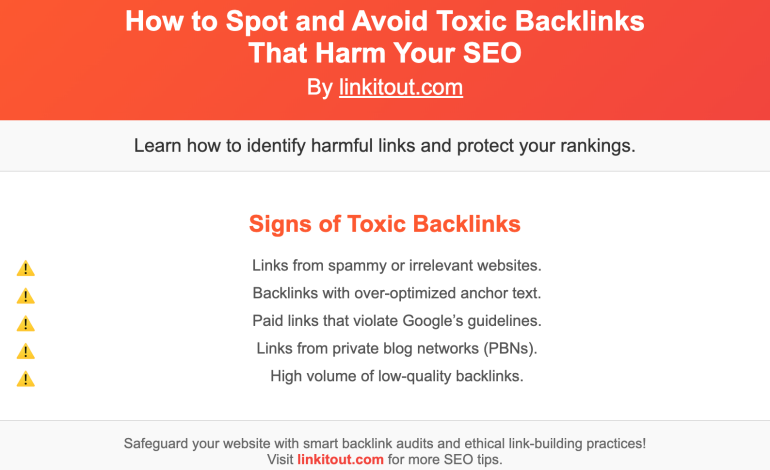
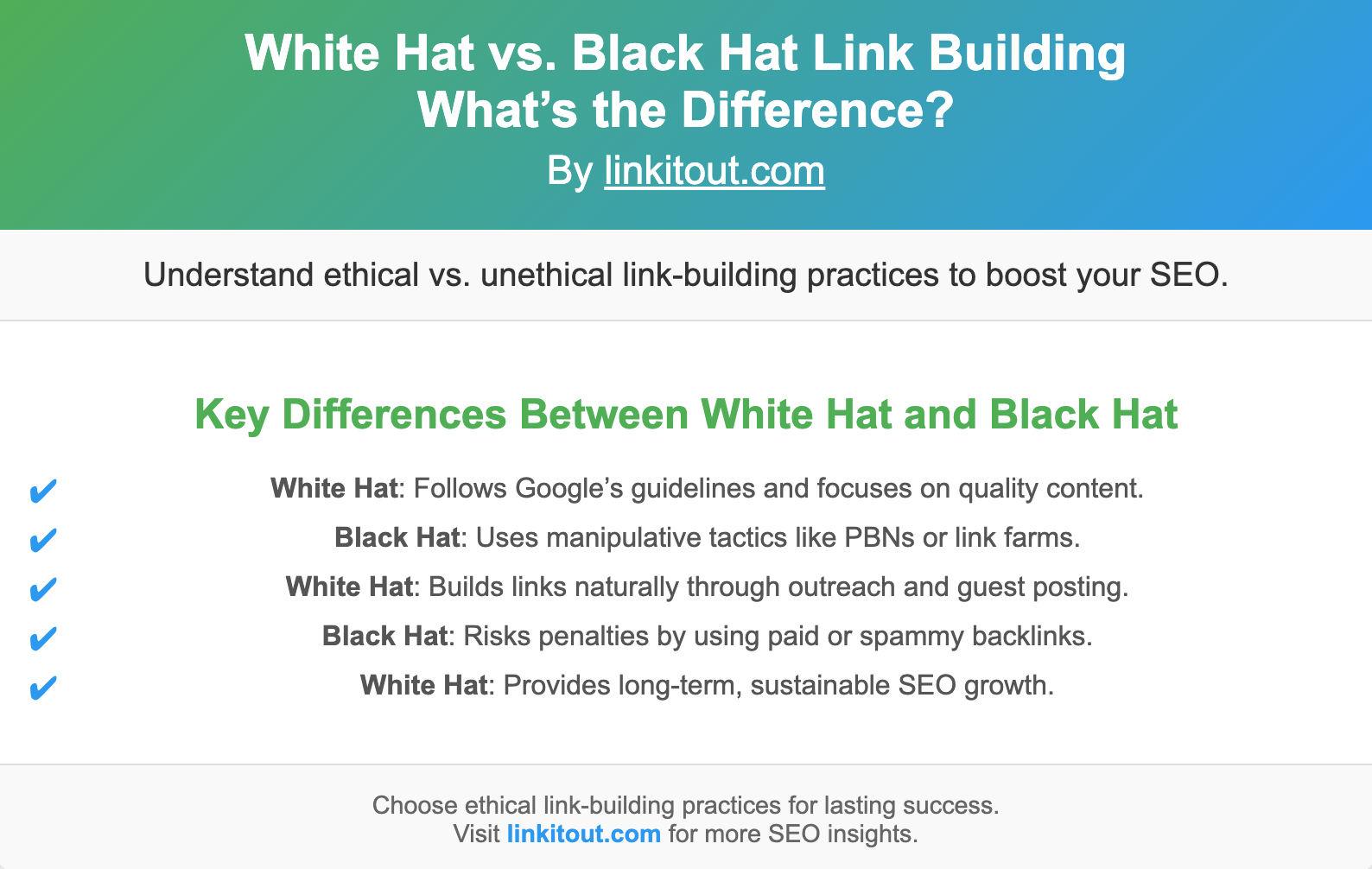
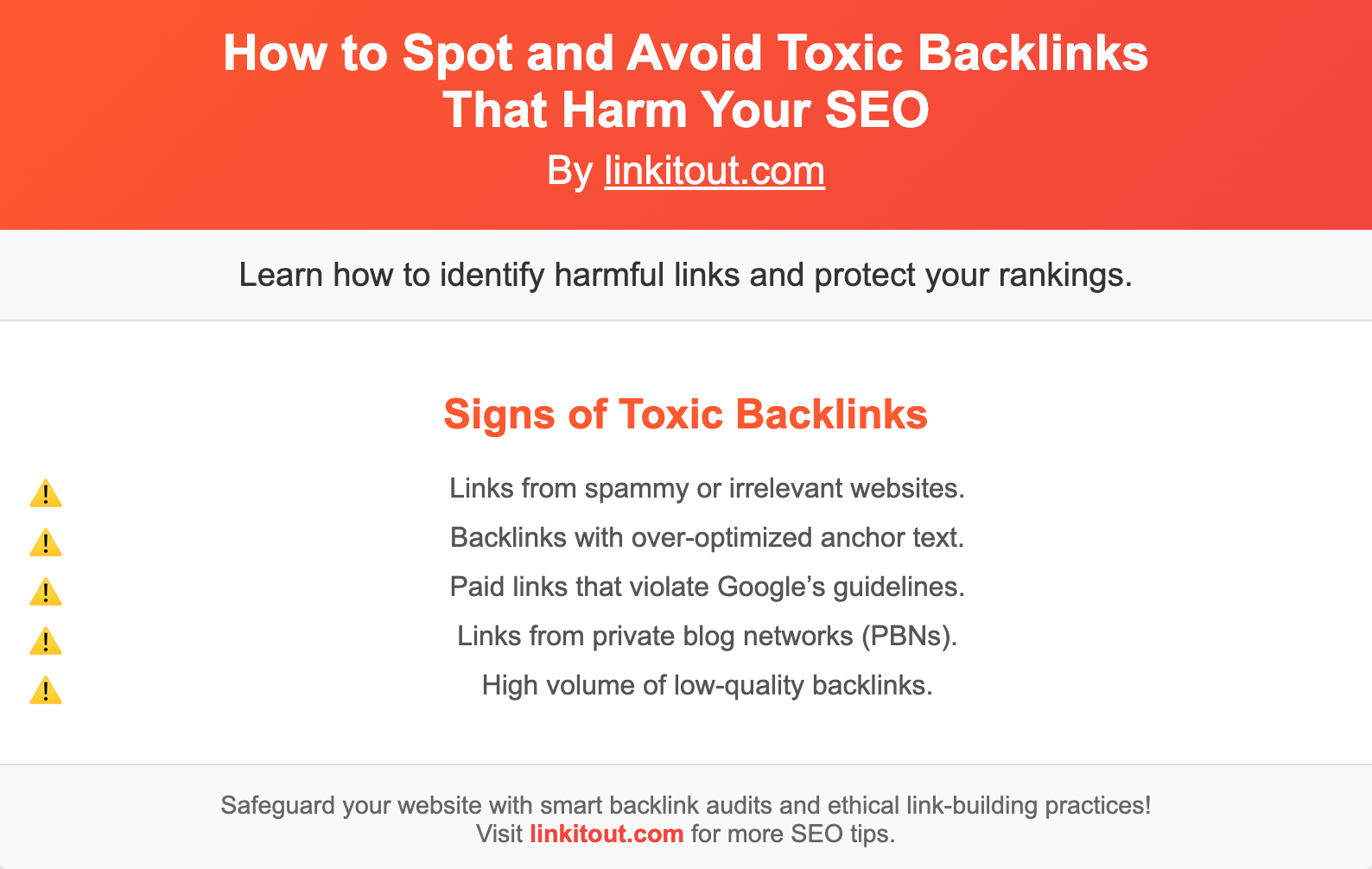
One of the biggest mistakes you can make when purchasing backlinks is buying them from low-quality or spammy websites. These are sites that may have a high number of backlinks but are not trusted or authoritative in their niche. They may engage in black-hat SEO practices, have poor content, or be part of link farms.
Why it’s a mistake:
Backlinks from such sites can harm your website’s reputation and lead to penalties from Google. In extreme cases, your site could be completely de-indexed. Always focus on acquiring backlinks from reputable, high-authority websites that are relevant to your industry or niche.
How to avoid it:
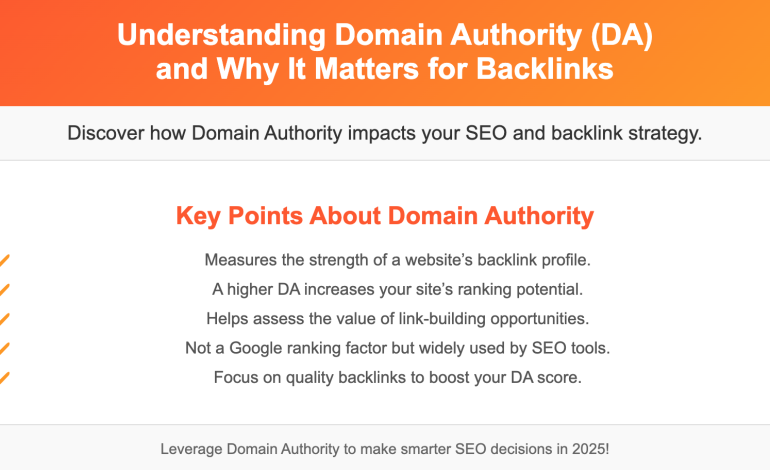
- Use tools like Ahrefs or Moz to check the website’s Domain Authority (DA) and overall quality before purchasing backlinks.
- Focus on websites that have high-quality content, are well-established in your industry, and have a natural backlink profile.
- Avoid buying backlinks from link farms or websites that don’t look professional or have thin content.
2. Buying Backlinks with Exact Match Anchor Text
Anchor text is the clickable text that contains a hyperlink. While it’s important to use relevant anchor text, buying backlinks with exact match anchor text (i.e., using your target keyword as the anchor text) can look unnatural to search engines and may trigger penalties.
Why it’s a mistake:
Using the same exact match keyword as anchor text for multiple backlinks can make your backlink profile look manipulated and spammy. Google’s algorithm is sophisticated enough to detect unnatural linking patterns and may penalize your website.
How to avoid it:
- Aim for natural and diverse anchor text that blends branded terms, generic phrases (like “click here”), and partial match keywords.
- Use long-tail keywords as anchor text to maintain diversity in your backlink profile.
- Avoid using exact match anchor text excessively and focus on creating content that attracts natural backlinks.
3. Ignoring the Relevance of the Website’s Niche
When purchasing backlinks, it’s crucial to ensure the website you’re buying from is relevant to your niche or industry. A backlink from a site that has little or no relevance to your content will not provide the same SEO benefits as a backlink from a relevant, authoritative website.
Why it’s a mistake:
A backlink from a non-relevant website can be seen as a low-quality link in Google’s eyes. Relevance is an important factor for both Google and your audience. When the context of the backlink is aligned with your content, it’s more likely to pass on meaningful SEO value.
How to avoid it:
- Always prioritize backlinks from websites that are related to your niche or industry.
- If you’re in the tech industry, for example, aim to get backlinks from tech blogs, publications, or influencers, rather than from unrelated fields like fashion or entertainment.
- Use tools to check the relevancy of the linking site and assess how closely it matches your content.
4. Neglecting to Check for a Site’s Penalty History
Before buying backlinks from a website, you should check if the site has any history of penalties or has been previously de-indexed by Google. A website that has been penalized may pass on negative SEO value to your site, which can severely impact your rankings.
Why it’s a mistake:
If you acquire backlinks from a site that has been penalized, you risk inheriting some of the penalty-related issues. This can negatively impact your SEO, causing your rankings to drop, and your site may even be penalized by Google.
How to avoid it:
- Check the site’s history using tools like Ahrefs or Google Search Console to see if it has ever been penalized.
- If the website has been penalized, avoid buying backlinks from them, as it may do more harm than good.
- Always ensure the website you’re acquiring backlinks from has a clean, penalty-free history.
5. Focusing Only on Quantity, Not Quality
While it may seem appealing to buy a large number of backlinks quickly, focusing purely on quantity rather than quality is a mistake that can hurt your SEO in the long run. A backlink profile flooded with low-quality backlinks from various sources won’t have the same positive effect as a smaller number of high-quality, authoritative backlinks.
Why it’s a mistake:
Buying backlinks solely for their quantity without considering the quality will lead to a unnatural backlink profile. Google values high-quality, authoritative backlinks over large numbers of low-quality ones. Having too many backlinks from irrelevant or spammy sites can raise red flags and hurt your rankings.
How to avoid it:
- Focus on quality over quantity when purchasing backlinks. A few high-quality backlinks are much more valuable than hundreds of low-quality ones.
- Look for backlinks from trusted, authoritative sites with a high DA, good content, and a relevant niche.
- Always aim for a natural backlink profile with a healthy mix of high-quality links from diverse sources.
Conclusion: Buy Backlinks Smartly to Enhance Your SEO Strategy
Backlinks play an essential role in improving your website’s search engine rankings and overall SEO performance. However, buying backlinks without caution can lead to disastrous results. By avoiding these common mistakes—such as buying links from low-quality websites, focusing on quantity over quality, or using exact match anchor text excessively—you can ensure that your backlink strategy helps, rather than harms, your website’s SEO.
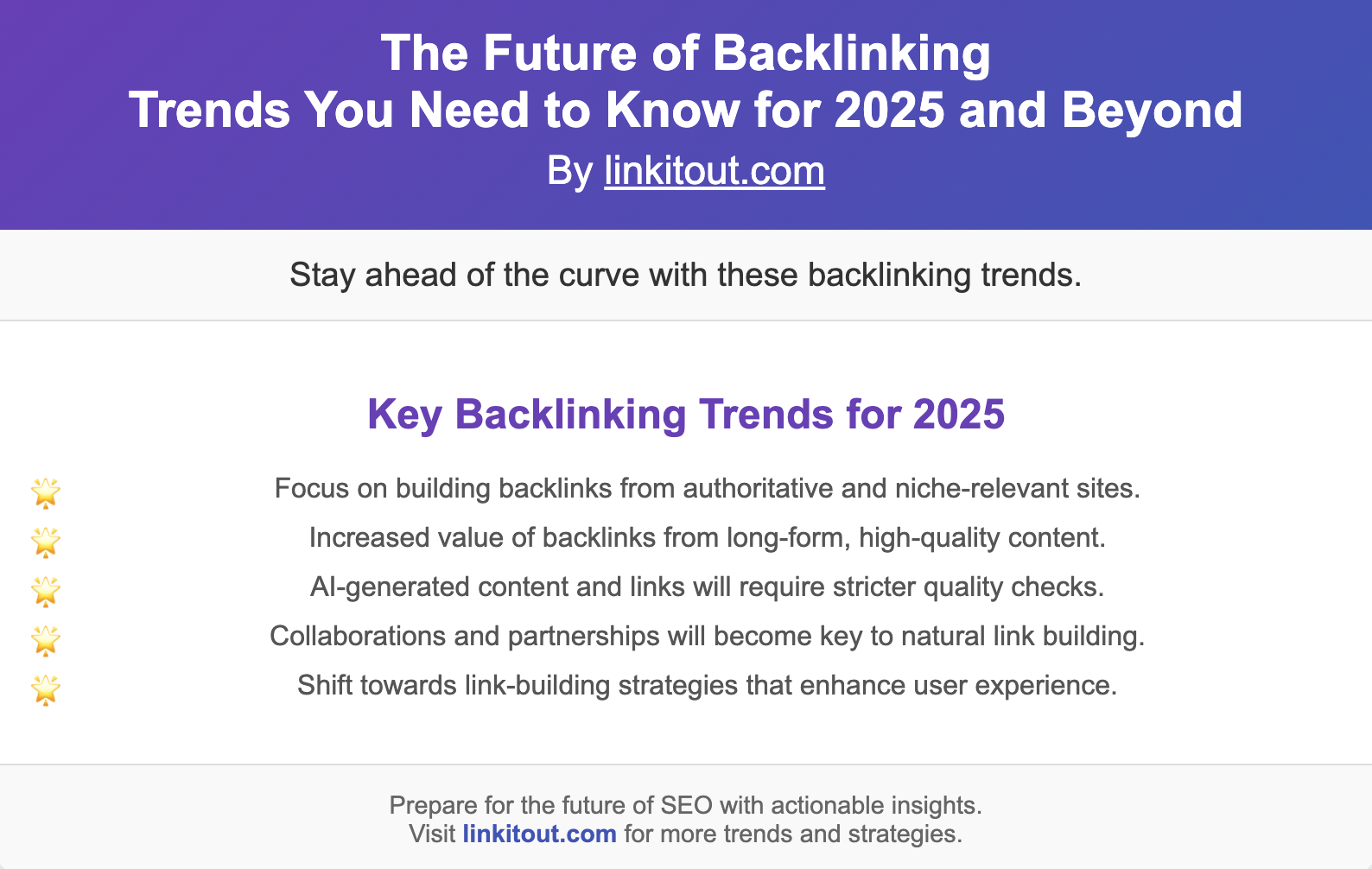
When buying backlinks, always focus on quality, relevance, and natural link patterns. Use reputable tools to vet websites before making a purchase and always prioritize long-term SEO gains over quick fixes. If done correctly, buying backlinks can be a powerful tool in improving your site’s authority and rankings, but only if you approach it with care and strategy.