What is a Private Blog Network (PBN) and How Does It Boost Your SEO?


If you’re diving into the world of SEO, you may have heard of a Private Blog Network (PBN). It’s one of the most talked-about and controversial link-building tactics in the SEO community. While it has the potential to deliver rapid SEO results, it also carries significant risks. In this blog post, we’ll break down what a PBN is, how it works, and whether it can really help boost your website’s SEO.
What is a Private Blog Network (PBN)?
A Private Blog Network (PBN) is a collection of websites that are owned and controlled by a single entity, and these sites are used to create backlinks to a target website in order to manipulate search engine rankings. The main goal of a PBN is to create high-quality, authoritative links to a website in a way that doesn’t appear unnatural or manipulated.
PBNs are created by purchasing expired or aged domains with strong Domain Authority (DA) and backlinks, then repurposing them into blogs or websites that link back to the target website. The idea is to leverage the existing authority of these domains to pass SEO value (link juice) to the sites you’re promoting.
How Does a PBN Work?
PBNs typically involve several steps:
- Acquiring Expired Domains: The first step in creating a PBN is purchasing expired domains that still have a strong backlink profile. These domains often have existing authority, traffic, or backlinks from reputable sites, which can be leveraged to benefit your SEO.
- Building the Network: After acquiring the expired domains, they are set up as individual websites or blogs. The content on these sites should appear relevant and high-quality, designed to look like natural, legitimate blogs.
- Linking to Target Sites: Once the PBN is established, the network of websites will include backlinks pointing to your target website. These backlinks are designed to boost the target site’s domain authority and improve its search engine rankings.
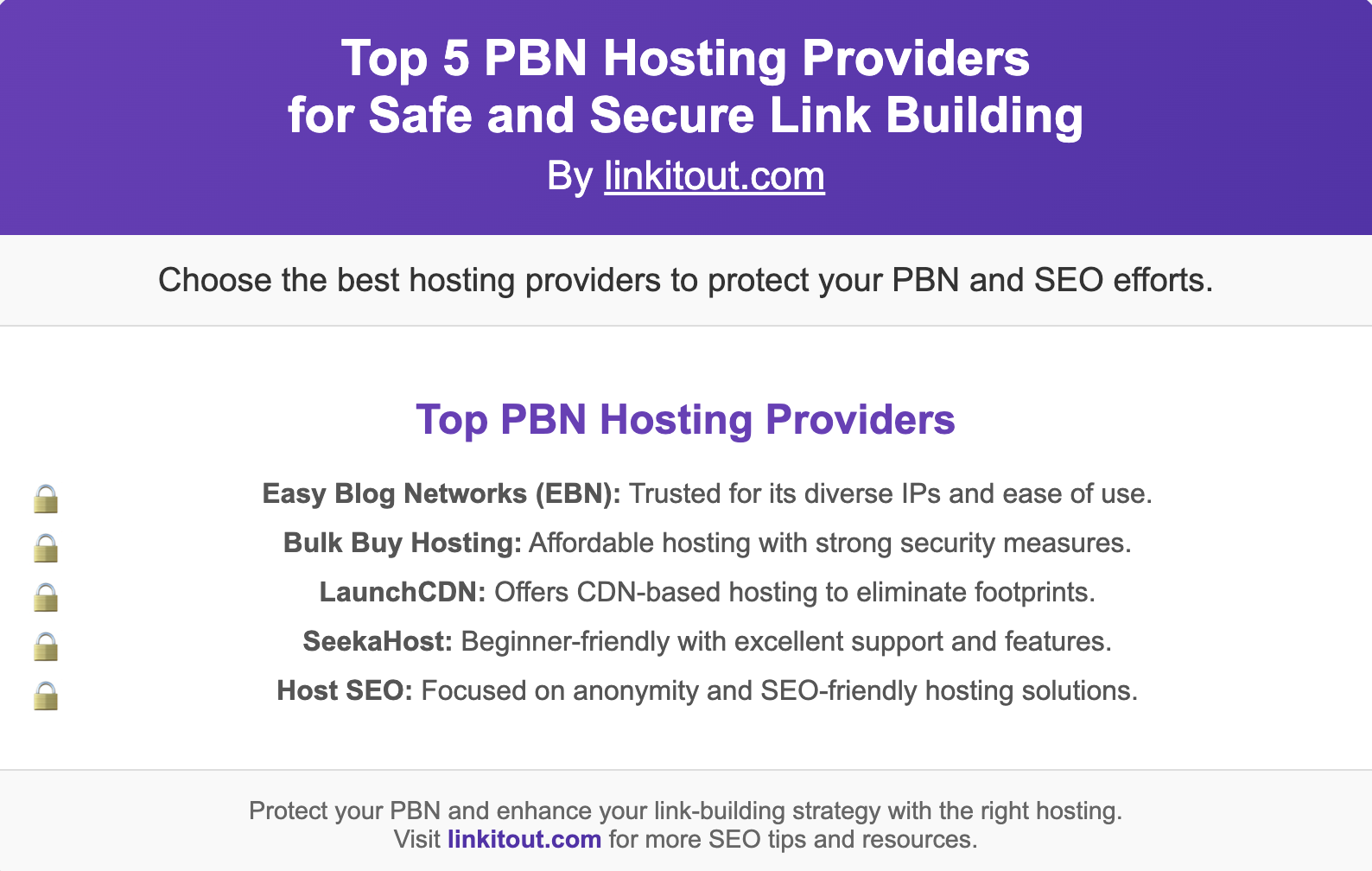
- Maintaining the Network: PBNs require careful monitoring to avoid detection. Owners must ensure that the network looks natural and doesn’t raise any red flags with search engines like Google.
How Does a PBN Boost Your SEO?
A well-executed PBN can have a significant impact on SEO by providing high-quality backlinks to your website. Here are the main ways it can help:
1. Increased Domain Authority
By acquiring expired domains with established authority, you can quickly boost your own website’s Domain Authority (DA) and Page Authority (PA). Backlinks from high-authority domains can help signal to search engines that your site is trustworthy and worth ranking higher.
2. Targeted Link Building
With a PBN, you have full control over which websites you build links to. This means you can focus on obtaining backlinks from domains that are relevant to your niche and target specific keywords. The ability to build highly targeted backlinks can significantly improve your SEO performance for the right queries.
3. Faster SEO Results
Unlike organic link-building strategies that may take time to yield results, a PBN can provide quick SEO benefits. By controlling the linking process, you can rapidly increase the number of backlinks to your target site, which may lead to faster improvements in rankings.
4. Increased Traffic
As your website’s authority increases through a PBN, your rankings on search engines may improve, leading to more organic traffic. This can be a powerful way to drive relevant traffic to your website, especially when combined with high-quality content.
Risks of Using a PBN
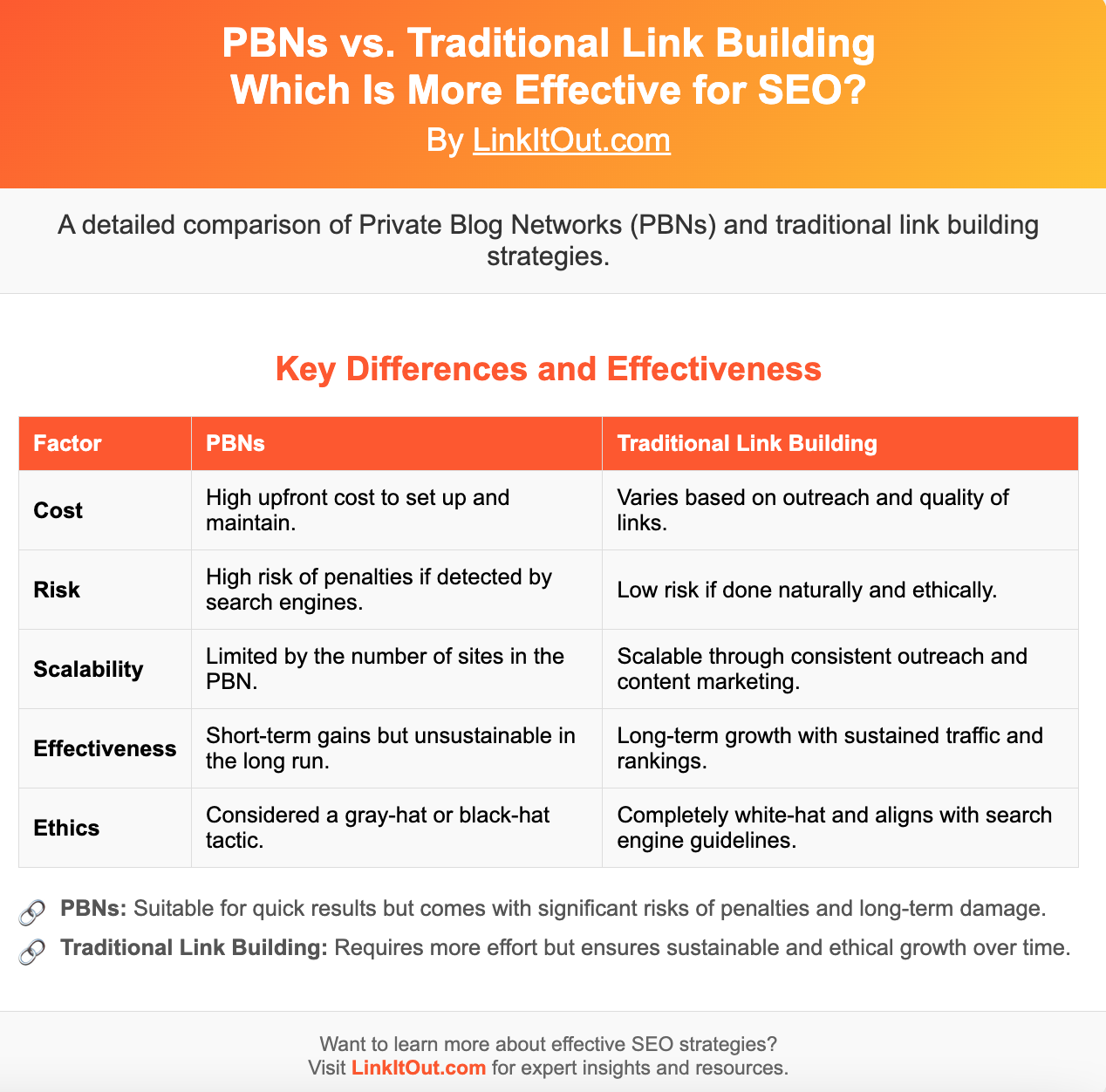
While a PBN can provide short-term SEO benefits, it is important to be aware of the risks involved. Using a PBN comes with several significant downsides:
1. Google Penalties
Google actively works to detect and devalue manipulative link-building tactics, including the use of PBNs. If Google detects that your website is benefiting from a PBN, it can issue a manual penalty or algorithmic penalty, causing a significant drop in rankings. In some cases, websites that use PBNs can be de-indexed, meaning they will disappear from search results entirely.
2. Loss of Trustworthiness
Building a PBN can harm your website’s reputation, especially if Google detects unnatural linking practices. This can lead to a loss of trustworthiness with search engines, which can be difficult to recover from.
3. Ongoing Maintenance
PBNs require constant attention to ensure they don’t get flagged by search engines. Managing multiple websites, updating content, and keeping the links looking natural can be time-consuming and resource-intensive. Additionally, if any of the domains in your PBN expire or lose their authority, your SEO efforts can be jeopardized.
4. Ethical Concerns
Some consider PBNs to be a Black Hat SEO technique because they intentionally manipulate search engine algorithms. Many SEO professionals advise against using PBNs due to their potential to violate search engine guidelines and negatively affect long-term SEO results.
Alternatives to PBNs: Safe and Sustainable Link Building
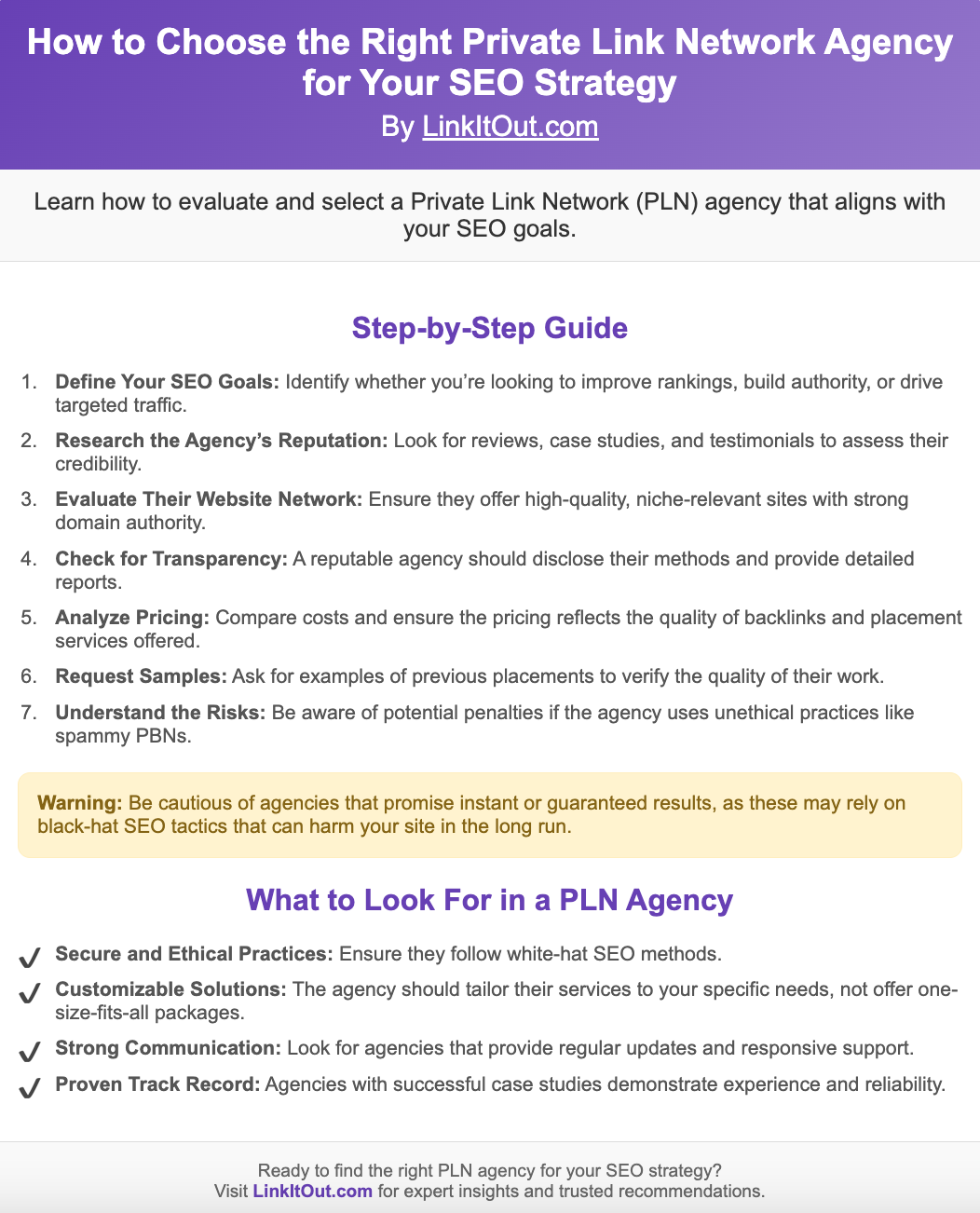
If you’re wary of the risks associated with PBNs, there are alternative strategies for building backlinks that are both effective and compliant with Google’s guidelines. Some of these include:
- Guest Posting: Writing high-quality guest posts for reputable websites within your industry is a great way to build backlinks naturally. It also allows you to engage with your audience and build your authority.
- Content Marketing: Creating shareable, valuable content such as blog posts, infographics, videos, and case studies can naturally attract backlinks over time as others in your niche reference and share your content.
- Broken Link Building: This tactic involves finding broken links on authoritative websites and offering your content as a replacement, helping both the website owner and your own backlink profile.
- Skyscraper Technique: Identify top-ranking content in your niche and create even better, more comprehensive content that is more likely to attract backlinks.
Conclusion: Should You Use a PBN?
While a Private Blog Network (PBN) can provide quick SEO gains, it comes with considerable risks that can harm your website’s long-term success. Google is becoming increasingly effective at detecting manipulative link-building tactics, and if your website is caught using a PBN, it can result in penalties, loss of rankings, and damaged trustworthiness.
For long-term SEO success, it’s recommended to focus on White Hat SEO techniques like content marketing, guest posting, and relationship-building to earn backlinks in a natural, ethical way. If you do decide to use a PBN, proceed with caution, ensuring that your network appears organic and does not violate search engine guidelines.