How to Spot and Avoid Toxic Backlinks That Harm Your SEO

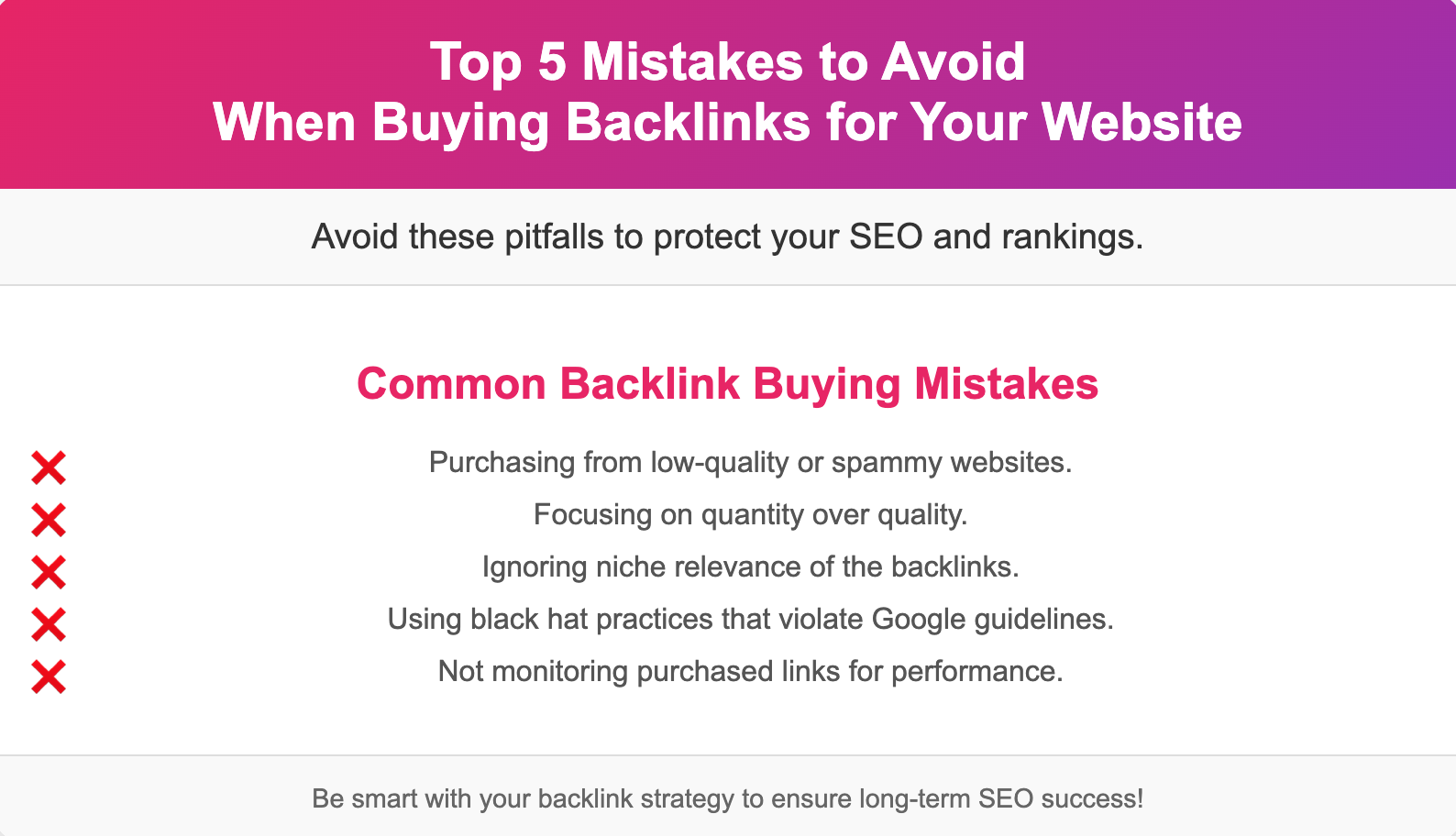
Backlinks are a critical component of any successful SEO strategy. They signal to search engines that your website is trustworthy and authoritative, helping to improve your rankings on search engine results pages (SERPs). However, not all backlinks are beneficial. Toxic backlinks—links from low-quality, spammy, or irrelevant websites—can harm your SEO efforts and even lead to penalties from Google.
In this post, we’ll guide you through how to identify toxic backlinks and how to avoid them, ensuring that your website remains on the right side of search engine algorithms.
What Are Toxic Backlinks?
Toxic backlinks are links from websites that have been flagged as untrustworthy or harmful in Google’s eyes. These links can negatively affect your website’s reputation, leading to lower rankings or even penalties. Google uses backlinks as a ranking factor, and low-quality backlinks can indicate to search engines that your website may not be credible or authoritative.
Common Characteristics of Toxic Backlinks:
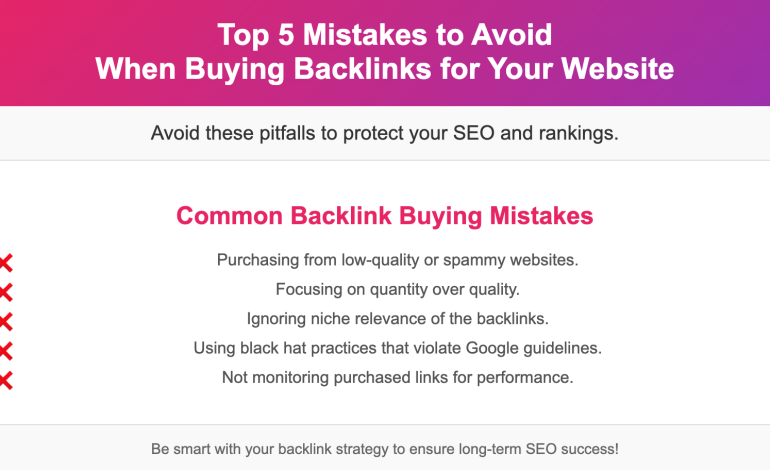
- Links from spammy or irrelevant sites that are not related to your niche
- Links from low-domain-authority websites (usually DA under 20)
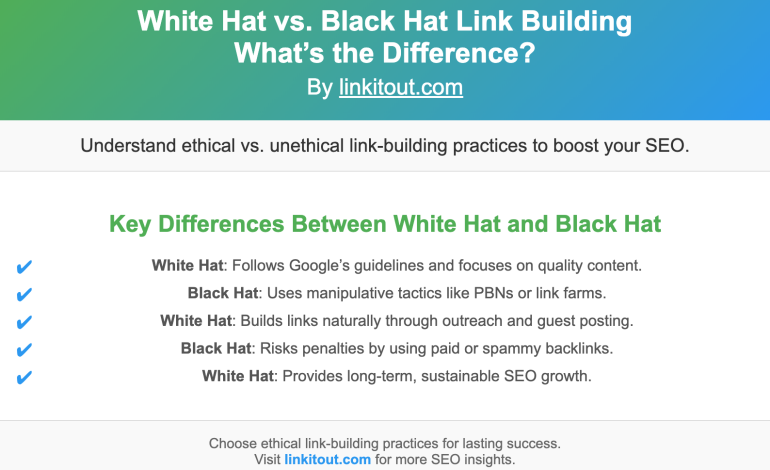
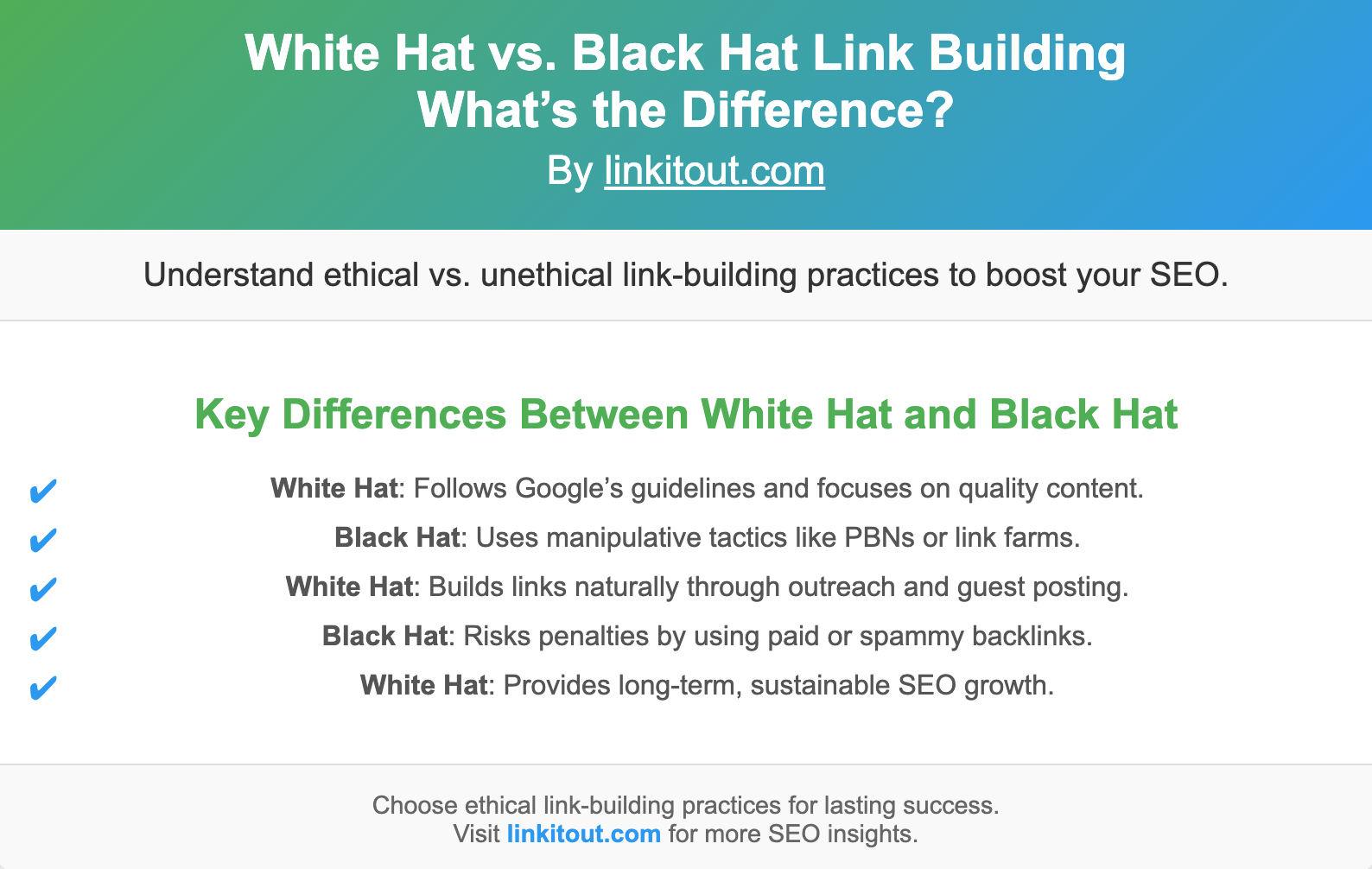
- Links from link farms, paid link networks, or websites with suspicious link schemes
- Excessive anchor text manipulation, like using the same keyword repeatedly
- Links from adult, gambling, or illegal websites that can cause a negative SEO impact
- Links from penalized websites or sites with a bad history
Why Toxic Backlinks Are Harmful to Your SEO
Toxic backlinks can severely affect your website’s SEO in several ways:
- Google Penalties: Google can impose penalties if they detect unnatural or toxic backlinks pointing to your site. These penalties can result in a significant drop in search rankings or, in severe cases, a complete de-indexing of your site.
- Decreased Trustworthiness: Backlinks from untrustworthy websites signal to Google that your site may also lack credibility. This can negatively affect your overall search engine visibility.
- Reduced Ranking Potential: Toxic backlinks dilute the effectiveness of your quality backlinks. A poor link profile may cause your high-quality backlinks to lose their value in Google’s eyes.
How to Spot Toxic Backlinks
Detecting toxic backlinks before they cause damage is essential. Here are the key signs to look for:
1. Low-Quality Link Profile
Websites with low-quality content or a large number of irrelevant backlinks are often considered toxic. If a website has little to no useful content, a high number of outbound links, or appears spammy, backlinks from it are likely to be harmful.
How to spot it:
- Use tools like Ahrefs, SEMrush, or Moz to analyze the quality of the linking domain.
- Look at the site’s Domain Authority (DA)—a DA of less than 20 can be a red flag.
- Check if the site has a high number of outbound links to unrelated or spammy websites.
2. Links from Irrelevant Websites
Backlinks from sites that are not related to your niche or industry can be seen as unnatural. If your website is in the health and wellness industry, for example, getting backlinks from sites about video games or fashion could hurt your SEO.
How to spot it:
- Ensure the linking site has relevant content that is contextually aligned with your own website.
- Use the link relevancy checkers in Ahrefs or SEMrush to see if the backlinks are coming from niche-appropriate websites.
- If the linking site has no relevance to your content, it could be considered a toxic link.
3. Links from Websites with Penalized or Spammy Histories
Backlinks from websites that have been penalized or have a history of spammy activity can pass on negative SEO value to your website. Google does not trust websites with poor reputations, and acquiring backlinks from these sites can negatively impact your rankings.
How to spot it:
- Check the Google Search Console for any penalties or warning messages related to the linking sites.
- Use tools like Ahrefs to see if the linking site has been flagged or penalized in the past.
- Look for signs of spammy content, such as keyword stuffing, irrelevant content, or excessive ads.
4. Overuse of Exact Match Anchor Text
Anchor text plays a crucial role in SEO. While keyword-rich anchor text can be useful, an excessive number of exact match anchors (where the keyword exactly matches your target keyword) can look unnatural to Google.
How to spot it:
- Review the anchor text used in backlinks using tools like Ahrefs or Majestic.
- If your website has many backlinks using the exact same keyword or phrase, it could be an indicator of manipulative linking.
5. Links from Low-Quality Directories or Link Farms
Links from low-quality directories, comment sections, or link farms are red flags. These types of websites are built solely for the purpose of selling backlinks or artificially boosting rankings. Google has become very effective at detecting these kinds of practices, and backlinks from these sites can trigger penalties.
How to spot it:
- Avoid directories that don’t add value or have no editorial control over submissions.
- Use backlink analysis tools to detect backlinks from link farms or directories with poor-quality listings.
How to Avoid Toxic Backlinks
Now that you know how to spot toxic backlinks, it’s time to focus on how to avoid them.
1. Build a Natural Backlink Profile
The best way to avoid toxic backlinks is to focus on building a natural and diverse backlink profile. This means getting backlinks from reputable, relevant websites that add value to your content.
How to do it:
- Guest post on authoritative websites in your industry.
- Create shareable content that naturally attracts backlinks.
- Build relationships with influencers and other content creators in your niche.
- Use broken link building and link reclamation tactics to earn high-quality backlinks.
2. Disavow Toxic Links
If you’ve already acquired toxic backlinks, don’t panic. Google’s Disavow Tool allows you to tell Google to ignore certain backlinks that might be harming your site’s SEO.
How to do it:
- Download your backlink profile from Google Search Console or a backlink tool like Ahrefs.
- Identify any toxic backlinks and create a disavow file (a list of URLs or domains you want Google to ignore).
- Submit the disavow file via the Google Disavow Tool in Search Console.
3. Regularly Monitor Your Backlink Profile
Backlink monitoring is an ongoing task. Regularly checking your backlink profile ensures that you catch any toxic backlinks early on before they have a negative impact.
How to do it:
- Use tools like Ahrefs, Moz, or SEMrush to track your backlink profile.
- Set up regular alerts to monitor new backlinks and review the quality of any new incoming links.
Conclusion: Protect Your SEO from Toxic Backlinks
Toxic backlinks can significantly harm your SEO performance, so it’s crucial to identify and eliminate them as soon as possible. By focusing on acquiring high-quality, relevant backlinks and regularly monitoring your backlink profile, you can avoid the pitfalls of toxic links and maintain a healthy SEO strategy.
Remember, quality always trumps quantity when it comes to backlinks. Stay vigilant, and you’ll keep your website’s rankings and reputation in top shape!