Avoiding Google Penalties: Best Practices for Using PBNs Safely


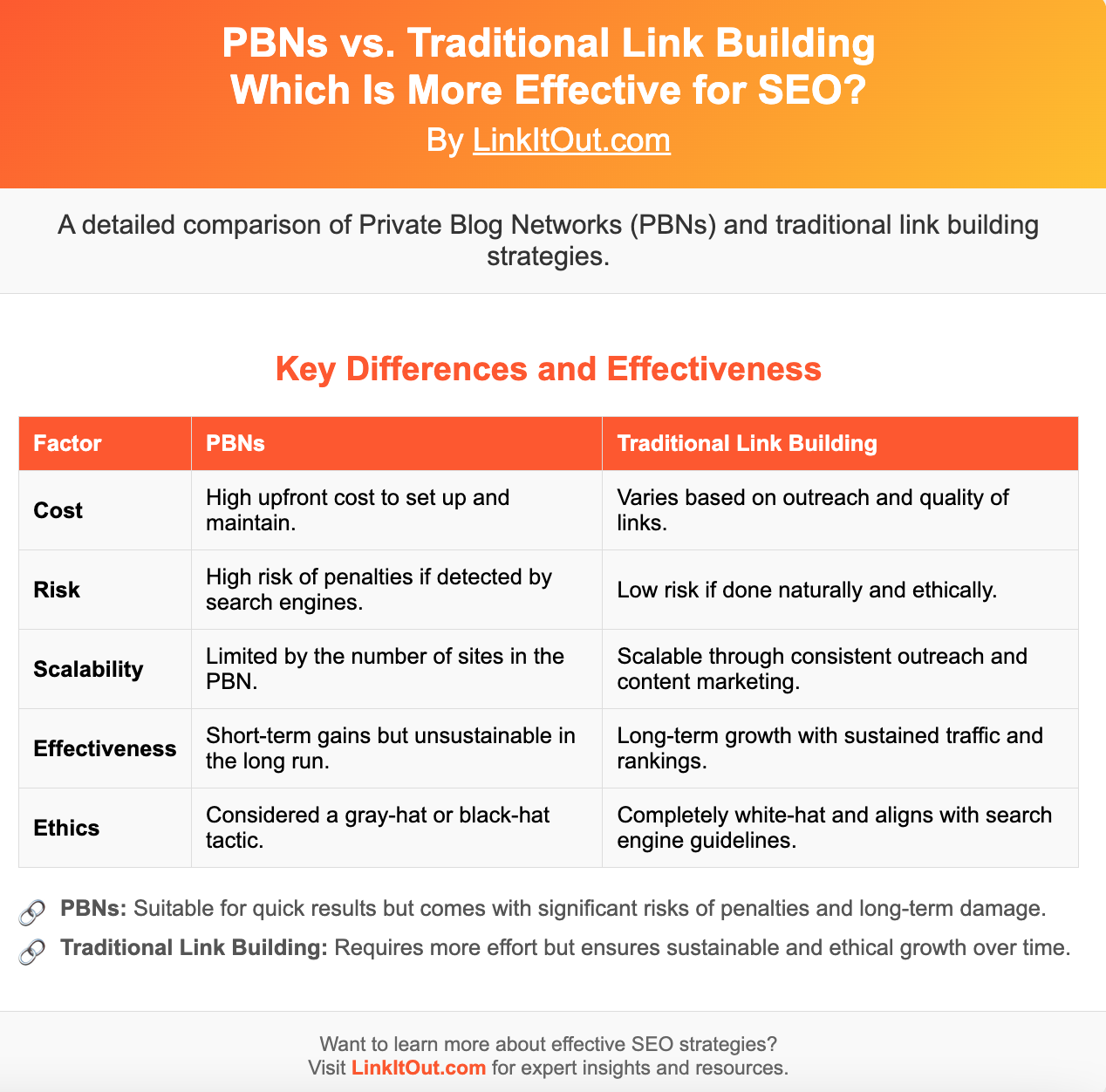
Private Blog Networks (PBNs) are a popular link-building strategy that can boost your website’s SEO and help improve search engine rankings. However, PBNs come with a significant risk: Google penalties. If Google detects that you are using a PBN to manipulate rankings, your website could be penalized or even de-indexed.
While PBNs can deliver quick results, it’s important to follow best practices to minimize the risk of detection and penalties. In this post, we’ll cover the key best practices for using PBNs safely, ensuring that you can harness their power without jeopardizing your SEO efforts.
Understanding Google Penalties
Before diving into best practices, let’s first understand how Google detects PBNs and why they’re considered a violation of Google’s guidelines.
Google’s algorithm is designed to identify unnatural link-building practices, such as manipulative backlinks from PBNs. If Google’s web crawlers detect that a website is benefiting from links in a network of sites owned by the same entity, it could trigger a manual penalty or an algorithmic penalty. This can lead to ranking drops or complete de-indexing from search results.
Types of Penalties:
- Manual Penalty: This occurs when Google’s manual reviewers detect suspicious activity on your website. It can lead to a drastic drop in rankings or removal from search results.
- Algorithmic Penalty: This is an automatic penalty imposed by Google’s algorithms when they detect unnatural link patterns.
By following best practices, you can reduce the likelihood of receiving either type of penalty.
Best Practices for Using PBNs Safely
1. Use Multiple Hosting Providers
Google is adept at detecting PBNs by looking for footprints—patterns that suggest multiple sites are owned by the same entity. One of the most common footprints is the use of the same hosting provider across all PBN sites.
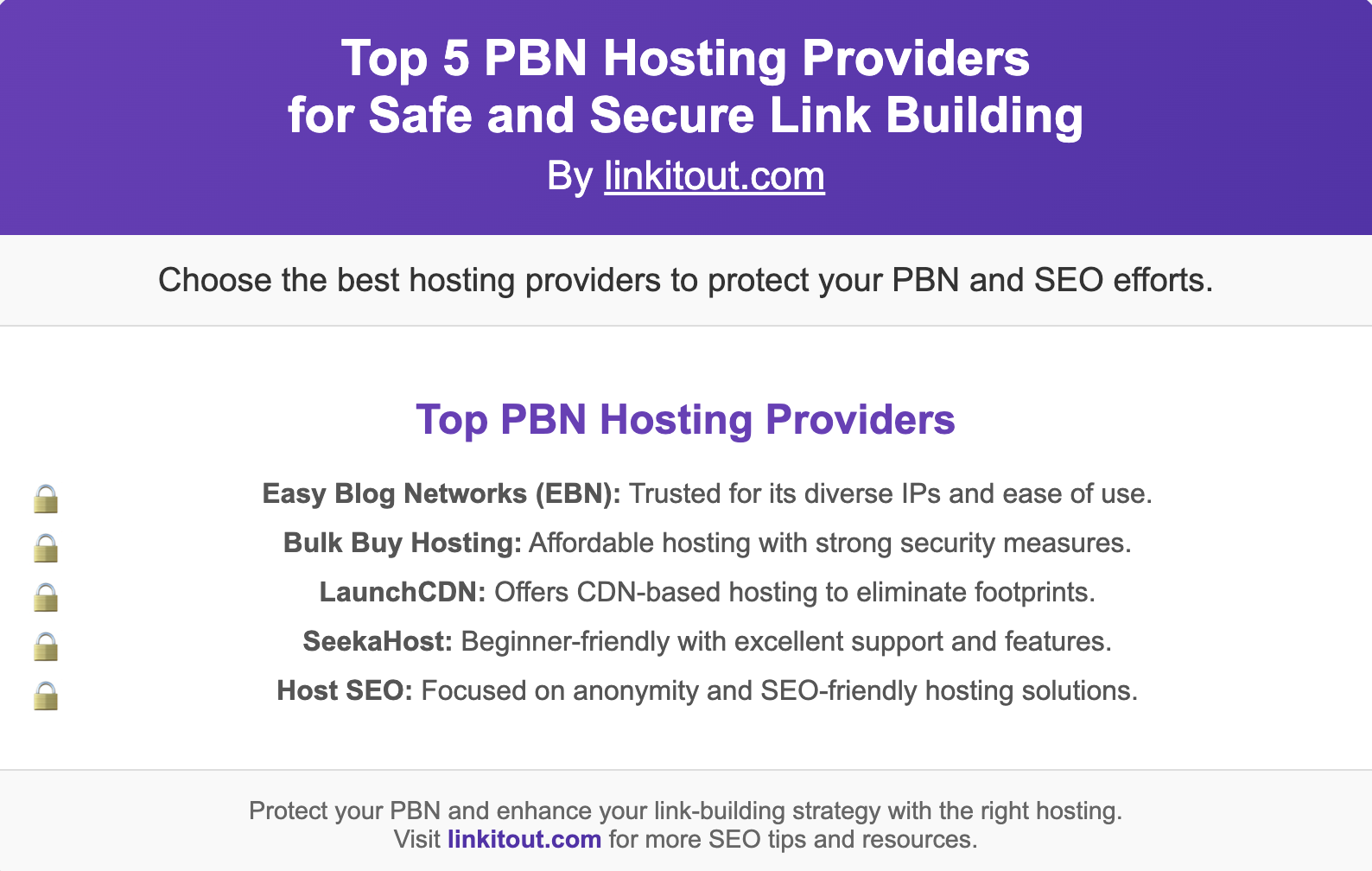
To avoid detection, use multiple hosting providers for each PBN site. By spreading your network across different IP addresses and hosting accounts, you reduce the risk of Google identifying that the sites are linked to the same owner.
You can even use PBN hosting services that offer anonymous hosting with different IPs for each site. Some services provide different C-Class IP addresses, which is another way to further mask the footprint.
2. Maintain Unique WHOIS Information
Google can also detect PBNs through WHOIS information, the publicly available domain registration details. If multiple domains share the same contact information (email addresses, names, addresses), Google can easily identify that they are owned by the same person.
To avoid this, use unique WHOIS information for each domain in your PBN. Consider using different email addresses, phone numbers, and names for each domain to make the network appear as decentralized as possible.
3. Vary the Design and Content of Each Site
Another key factor Google looks for in PBN detection is similar website designs and content. If all the PBN sites have identical or nearly identical designs, it raises a red flag. Additionally, if the content on these sites is too similar or generic, it can appear spammy.
Best Practices:
- Use Different Themes and Layouts: Choose unique themes and layouts for each PBN site. This will make the sites look like they are from different creators and not part of a single network.
- Create Original, High-Quality Content: Avoid using spun or low-quality content. Each site should feature unique, high-quality articles or blog posts that are relevant to the niche of the domain.
- Update Content Regularly: To maintain the appearance of an active, legitimate site, update content regularly. Don’t let PBN sites become stale with outdated articles.
4. Limit the Number of Links per Site
When building links to your target website, avoid linking to too many sites from a single PBN domain. If you build too many links from one domain, it could appear unnatural to Google, which might lead to a penalty.
Instead, build a moderate number of backlinks from each PBN site and ensure that the links are relevant to the content of the page. Spreading out the links across different PBN sites makes the backlink profile appear more natural.
5. Use Diversified Anchor Text
Using the same exact-match anchor text repeatedly can be a huge red flag for Google. Google wants to see a natural and varied backlink profile, and repetitive anchor text signals manipulation.
Best Practices:
- Use Branded Anchor Text: Include your brand name or URL as anchor text to make links look more organic.
- Incorporate Generic Anchor Text: Use anchor text like “click here” or “read more” to make your link profile appear more natural.
- Vary Keyword Anchor Text: If you do use keyword-based anchor text, make sure to vary it across different links and pages.
By diversifying anchor text, you can ensure that your PBN backlinks look natural and authentic to search engines.
6. Limit the Number of PBN Links to Your Target Site
Building too many backlinks to your website from PBNs in a short period can look suspicious. It’s important to gradually build backlinks and avoid over-optimizing anchor text or link frequency. A sudden spike in backlinks could trigger Google’s algorithms to detect unnatural link-building activity.
Slow and steady wins the race. Aim to build a few high-quality backlinks each month and spread out the link-building efforts over time.
7. Focus on Topical Relevance
When selecting expired domains for your PBN, ensure that they are topically relevant to your niche. Google values relevance and is likely to detect unnatural links from completely unrelated sites.
For example, if your target site is in the health and wellness niche, look for expired domains that were previously related to health, fitness, or wellness. Building backlinks from unrelated domains could signal manipulation and harm your SEO efforts.
8. Monitor PBN Health and Performance
Regularly audit your PBN to ensure that the domains remain high-quality and penalty-free. Tools like Ahrefs, SEMrush, or Majestic can help you monitor the backlink profile of your PBN sites. Check for any signs of penalties or toxic backlinks that could harm your network.
If a domain in your PBN starts to lose its authority or gains spammy backlinks, it’s best to disavow those backlinks or replace the domain with a new, high-quality one.
Conclusion: Can PBNs Be Safe?
Using a Private Blog Network (PBN) for link building can be highly effective for improving your website’s SEO, but only if you take the necessary precautions to avoid Google penalties. By following best practices—such as using multiple hosting providers, varying your WHOIS information, and diversifying content and anchor text—you can reduce the risk of detection and penalties.
That said, it’s important to remember that Google’s algorithms are always evolving, and there are inherent risks with any Black Hat SEO strategy. If you’re serious about long-term SEO success, consider diversifying your link-building efforts with White Hat tactics like guest posting, content marketing, and outreach.
By striking the right balance between safe link-building practices and PBN usage, you can create a sustainable SEO strategy that delivers results without the risk of penalties.